


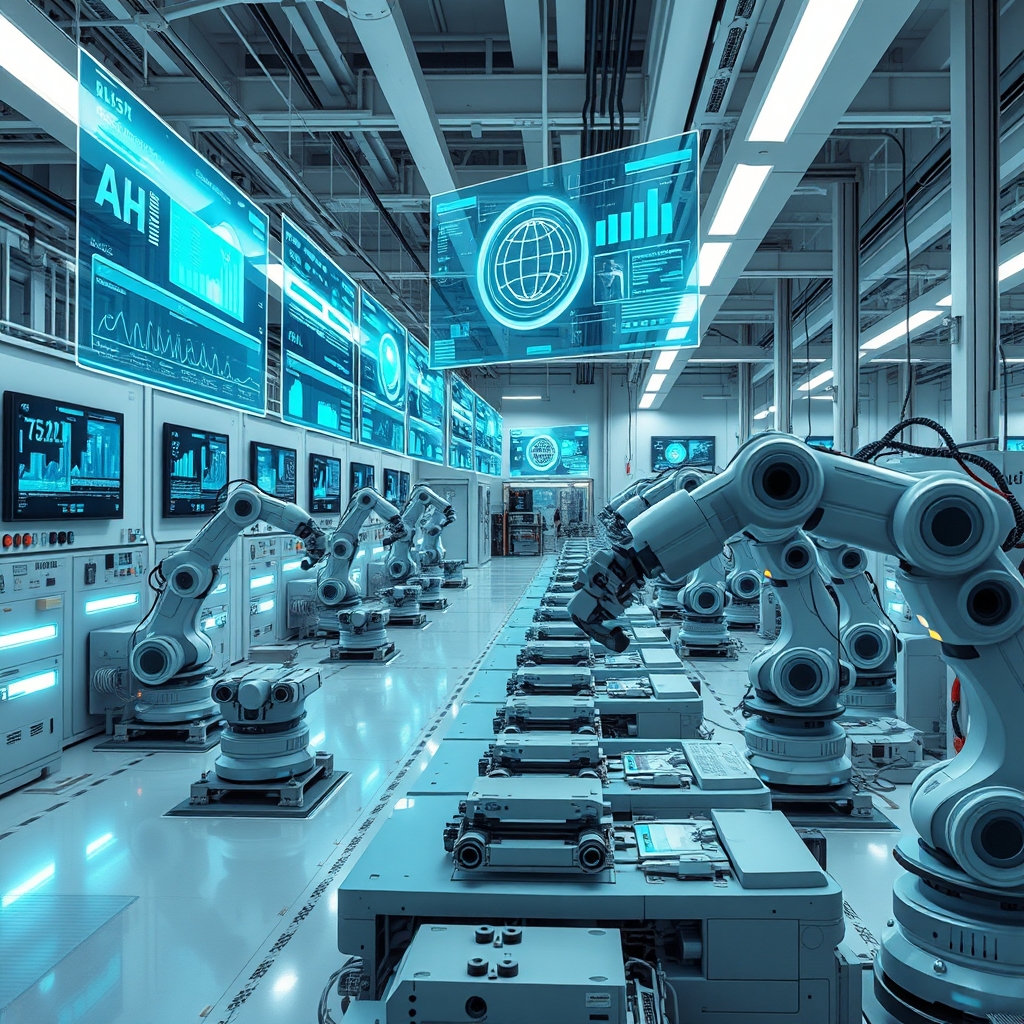
The manufacturing landscape is undergoing a profound metamorphosis, driven by unprecedented technological innovation. In this era, the synergy between Industry 4.0 and IT transformation, including sophisticated AI integration, is not just optimizing processes but fundamentally redefining current manufacturing practices. Factories are no longer static production lines but dynamic, interconnected ecosystems where data flows seamlessly, powering intelligent decisions and autonomous operations. This digital revolution promises enhanced efficiency, reduced costs, and a new paradigm of agility that is critical for global competitiveness.
Unpacking Key Technological Advancements in Smart Manufacturing
The journey into Industry 4.0 is paved with several groundbreaking technological advancements. At its core lies the Industrial Internet of Things (IIoT), connecting machines, sensors, and systems to generate vast amounts of real-time data. This data, when processed through cloud computing and advanced analytics, provides invaluable insights into operational performance and potential bottlenecks. Furthermore, the proliferation of robotics and advanced automation systems is creating highly efficient, flexible production environments capable of handling complex tasks with precision and speed.
The Role of Data and Connectivity
Central to these advancements is the pervasive use of data and robust connectivity. High-speed networks, often leveraging 5G technology, ensure that information from every corner of the factory floor is collected, transmitted, and analyzed without delay. This connectivity enables cyber-physical systems, where the digital twin of a physical asset can be simulated and optimized, leading to more informed decision-making and proactive problem-solving. Such data-driven approaches are essential for unlocking the full potential of modern manufacturing.
AI Integration: Reshaping Current Manufacturing Practices
The true game-changer in this transformation is the strategic AI integration across various facets of manufacturing. Artificial intelligence and machine learning algorithms are empowering systems to learn from data, predict outcomes, and even make autonomous decisions. This intelligence is elevating manufacturing beyond simple automation, introducing a layer of cognitive capability that enhances precision and responsiveness.
Predictive Maintenance and Quality Control
One of AI’s most impactful applications is in predictive maintenance. By analyzing sensor data from machinery, AI can anticipate equipment failures before they occur, scheduling maintenance proactively and dramatically reducing downtime. Similarly, AI-powered vision systems are revolutionizing quality control, identifying defects with unparalleled accuracy and speed, often surpassing human capabilities. This leads to higher product quality and significant waste reduction.
Optimizing Supply Chains and Production Planning
Beyond the factory floor, AI is transforming supply chain management. Predictive analytics, fueled by AI, can forecast demand more accurately, optimize inventory levels, and streamline logistics. In production planning, AI algorithms can dynamically adjust schedules to account for unforeseen disruptions, maximize resource utilization, and ensure timely delivery, making the entire operation more resilient and agile.
Navigating Implementation Challenges in the Digital Era
While the benefits of Industry 4.0 and IT transformation are clear, their implementation is not without hurdles. Organizations face significant implementation challenges, from integrating complex legacy systems with new digital infrastructure to ensuring robust cybersecurity measures against evolving threats. The sheer volume and sensitivity of operational data necessitate advanced protection protocols.
Addressing Skill Gaps and Investment Needs
Another critical challenge lies in the workforce. The transition to smart manufacturing requires new skill sets, including data science, AI engineering, and advanced robotics expertise. Bridging this skill gap through training and upskilling initiatives is crucial for successful adoption. Moreover, the initial capital investment required for new technologies can be substantial, demanding careful strategic planning and a clear return on investment (ROI) roadmap. Overcoming these obstacles requires a holistic approach, encompassing technological upgrades, workforce development, and strategic partnerships.
Future Prospects and Strategic Imperatives for Smart Manufacturing
Looking ahead, the future prospects for manufacturing are incredibly exciting, promising an era of hyper-personalized production, sustainable operations, and unprecedented efficiency. The continuous evolution of AI, coupled with advancements in quantum computing and advanced robotics, will unlock even greater levels of automation and intelligence, leading to truly autonomous factories. Manufacturers who embrace these advancements will not only survive but thrive, gaining significant competitive advantage.
Embracing Sustainability and Agility
The drive towards sustainability will increasingly be intertwined with smart manufacturing practices, using AI to optimize energy consumption, reduce material waste, and facilitate circular economy models. Furthermore, the ability to rapidly adapt to market changes and customize products on demand will become a defining characteristic of successful enterprises. Proactive engagement with these evolving technologies is no longer an option but a strategic imperative, fostering innovation and ensuring long-term resilience in a rapidly changing global market.