











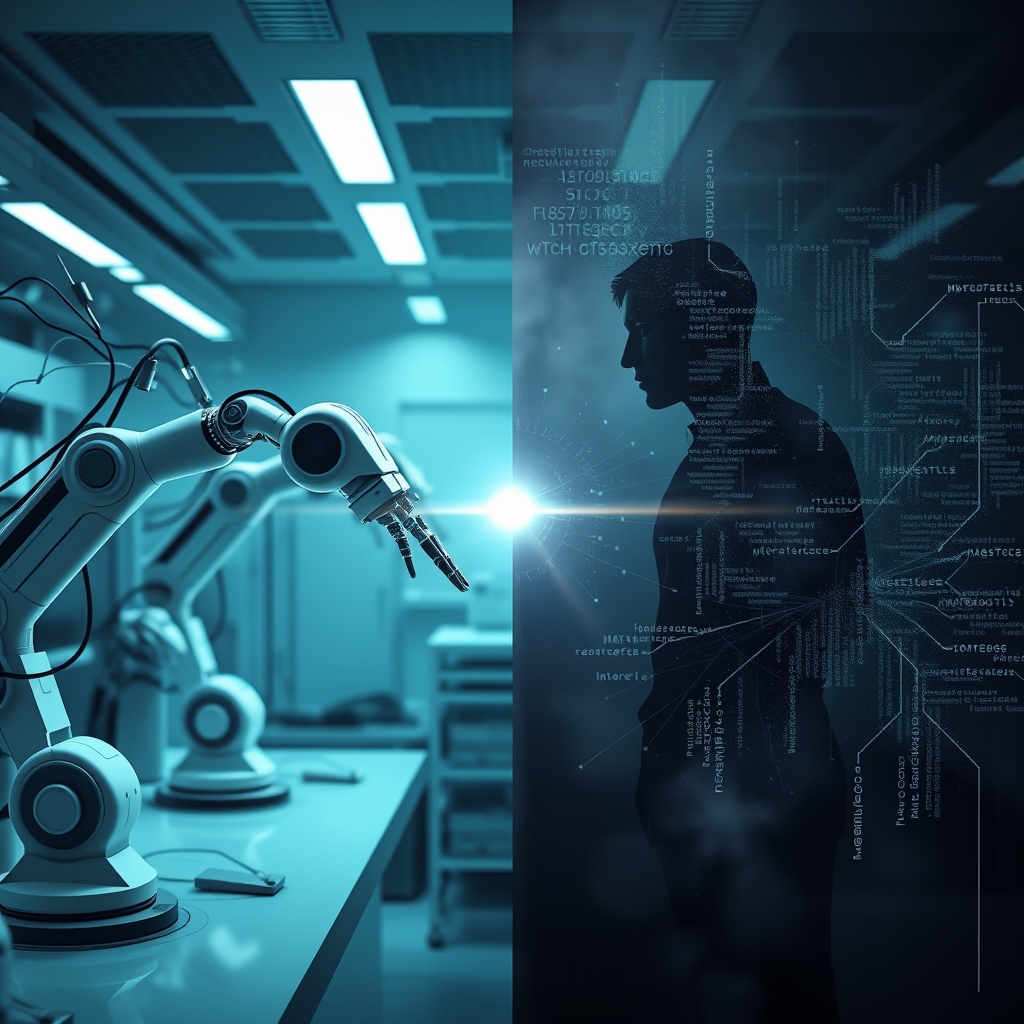
AI: Unpacking Its Dual Nature – Benefits, Challenges, and Future Impact
Artificial Intelligence (AI) is no longer a futuristic concept but a powerful force reshaping our world. From optimizing daily tasks to driving groundbreaking scientific discoveries, its influence is undeniable. However, understanding the full scope of AI requires a detailed analysis of both its immense advantages and its significant disadvantages. This exploration delves into its impact on industries, society, and the critical ethical considerations that must guide its development.
The Transformative Advantages of Artificial Intelligence
The benefits of AI are vast, primarily revolving around enhanced efficiency, unprecedented innovation, and superior analytical capabilities. AI systems can process and interpret vast amounts of data at speeds impossible for humans, leading to rapid insights and informed decisions across various sectors.
Boosting Efficiency and Innovation Across Industries
AI-driven automation is revolutionizing manufacturing, logistics, and customer service, reducing operational costs and increasing productivity. In healthcare, AI assists in disease diagnosis, drug discovery, and personalized treatment plans, accelerating medical breakthroughs. Financial services leverage AI for fraud detection and algorithmic trading, while retail benefits from personalized recommendations and supply chain optimization.
Beyond efficiency, AI fuels innovation by enabling complex simulations and predictive modeling. This leads to the creation of novel products and services, pushing the boundaries of what’s possible in fields from sustainable energy to space exploration.
Enhancing Decision-Making and Personalization
AI algorithms excel at identifying patterns and correlations in data that humans might miss, providing a robust foundation for strategic decision-making. Moreover, AI powers highly personalized experiences, from tailored content recommendations to adaptive learning platforms, significantly improving user engagement and satisfaction.
Navigating the Disadvantages and Ethical Challenges of AI
While the potential of AI is immense, its rapid advancement also presents complex challenges that demand careful consideration and proactive solutions. These issues span from technical limitations to profound societal and ethical dilemmas.
Addressing Bias and Job Displacement Concerns
One critical disadvantage is the potential for algorithmic bias. If AI systems are trained on biased data, they can perpetuate and even amplify existing societal inequalities, leading to unfair outcomes in areas like hiring, lending, and criminal justice. Furthermore, the increasing automation fueled by AI raises concerns about job displacement, requiring proactive measures for workforce retraining and adaptation.
Safeguarding Privacy and Security Implications
AI systems often require access to vast quantities of personal data, which presents significant privacy concerns. Protecting this data from misuse, breaches, and unauthorized access is paramount. There are also risks associated with AI being used for malicious purposes, such as autonomous weapons or sophisticated cyberattacks, posing new security threats.
AI’s Broad Societal and Economic Impact
The pervasive nature of AI means its influence extends far beyond individual industries, profoundly shaping society and economies worldwide. Navigating this transformation requires a balanced perspective, acknowledging both the opportunities for progress and the imperative to mitigate risks.
As we continue to integrate AI into our lives, fostering ethical AI development, robust regulatory frameworks, and continuous public discourse will be crucial. Embracing AI’s potential while actively addressing its challenges will ensure a future where technology serves humanity responsibly and equitably, driving sustainable growth and innovation for all.